
HVAC Emergencies: How to Know When to Call for Immediate Service in NYC & Long Island
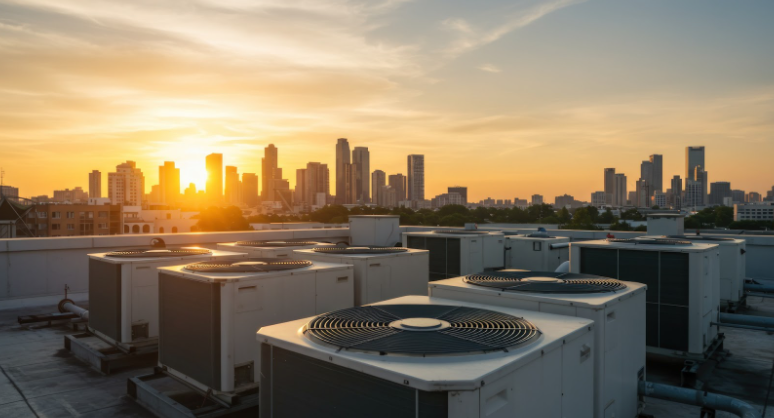
When your HVAC system stops working, it can be hard to tell if the issue can wait, or if it requires immediate attention. In New York City and Long Island, where extreme heat, cold snaps, and dense buildings are common, HVAC emergencies can escalate quickly. Here’s how to recognize a true HVAC emergency and what you […]
How High-Efficiency HVAC Systems Increase Long-Term Value in New Construction
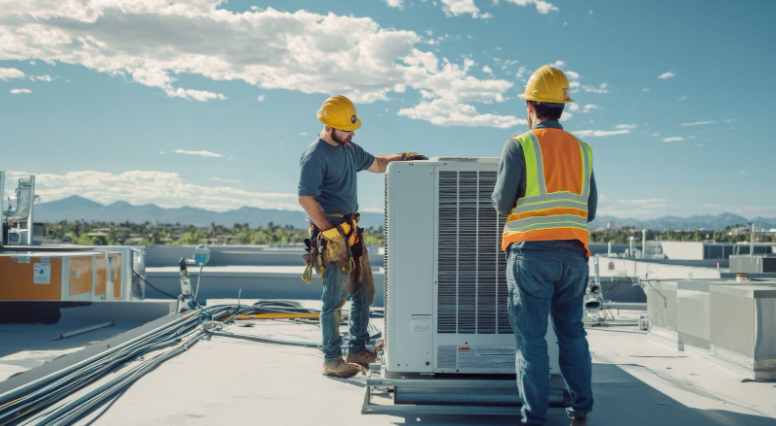
Rising energy costs, stricter building expectations, and long-term operating expenses are putting pressure on property owners to make smarter decisions early in the construction process. One of the most effective ways to protect a new building’s value starts behind the walls and above the ceilings. Investing in a high-efficiency HVAC system during new construction can […]
HVAC Regulations and Older Buildings: What Property Owners Need to Fix Now
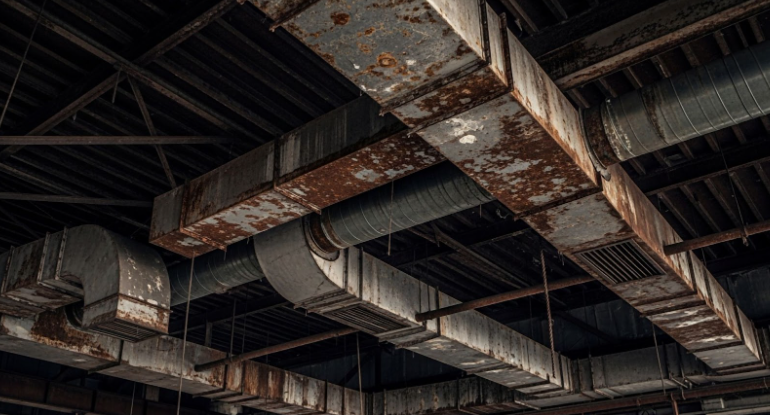
Managing an older commercial property comes with a unique set of challenges. One of the most urgent is keeping your HVAC system compliant with evolving regulations. Codes and standards around energy efficiency, indoor air quality, emissions, and equipment performance are tightening. Older systems often lag behind these expectations. Ignoring this gap can lead to fines, […]
Maintaining Ideal Temperature in Your Server Room
Data is more critical today than ever, and the servers that store and process it are the backbone of modern business operations. From financial institutions to healthcare systems and commercial enterprises, protecting digital infrastructure starts with maintaining proper environmental conditions—most importantly, server room temperature and humidity standards. Servers generate substantial heat during normal operation, and without […]
How Does HVAC Work in a High Rise Building?
Designing and operating an HVAC system in a high-rise building is far more complex than conditioning a residential home or low-rise commercial space. HVAC systems are intricate assemblies of interconnected components, and in tall buildings, every design decision is amplified by height, scale, pressure, and energy demand. As buildings grow vertically—especially in dense urban environments—HVAC in high-rise […]
How Does a VRF System Work?
A Variable Refrigerant Flow (VRF) system is a large-scale, high-capacity HVAC solution designed to deliver precise, energy-efficient heating and cooling across multiple zones. Often compared to an advanced version of a residential mini-split system, VRF technology allows for simultaneous heating and cooling in different areas of the same building. In commercial environments, VRF systems are widely used in office […]
What Is a Commercial Air Handler?
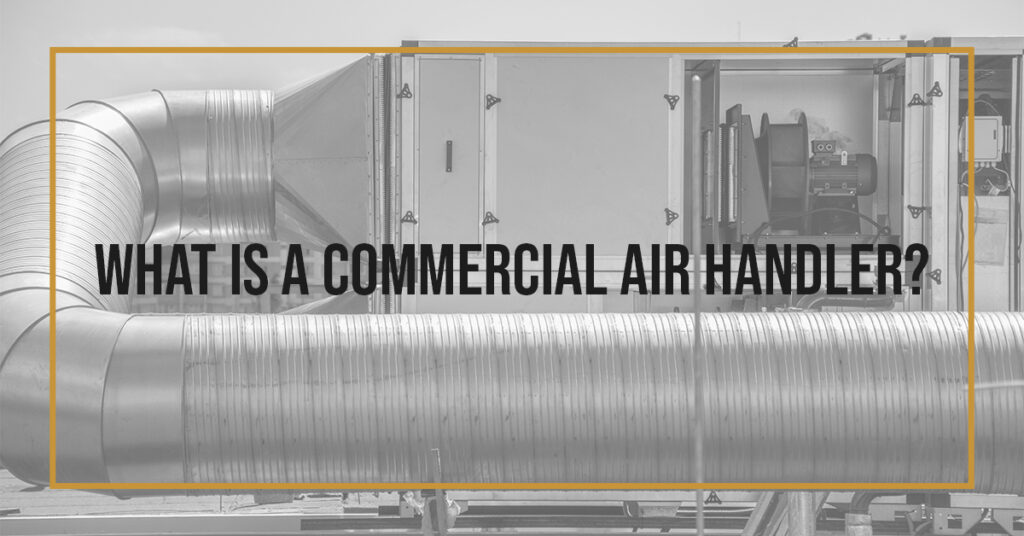
A commercial air handler unit plays a critical role in maintaining comfort, indoor air quality, and airflow throughout a building. Often compared to the respiratory system of a structure, an air handler unit commercial system draws in fresh outside air, circulates it through the building, and exhausts stale air. In doing so, it ensures that conditioned air—whether heated or […]
What Is the Difference Between an Air Handling Unit and a Fan Coil?
The difference between an AHU and FCU is a common point of confusion in commercial HVAC discussions. While both systems are designed to move and condition air, their scale, function, and applications differ significantly. Understanding the fan coil unit vs air handling unit comparison can help building owners and facility managers make informed decisions about system design, performance, and […]
What Schools and Healthcare Facilities Should Know About HVAC Reliability in NYC and Long Island
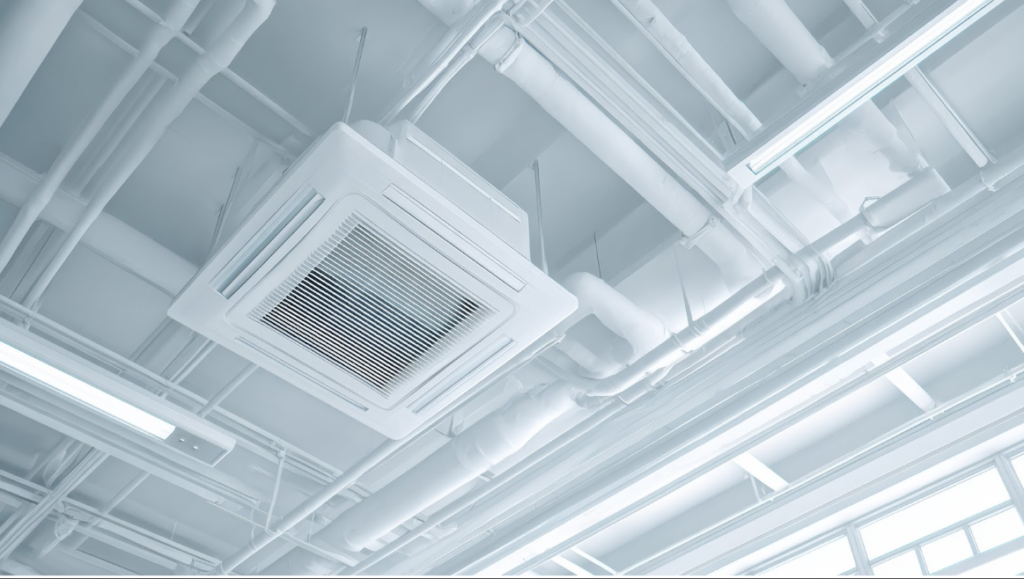
For schools and healthcare facilities in New York City and Long Island, HVAC reliability is not just a comfort issue. It is a critical component of safety, health, and daily operations. From maintaining proper indoor air quality to ensuring consistent temperature control, HVAC systems play a vital role in environments where occupants may be especially […]
LL152 and Upcoming Deadlines You Should Know
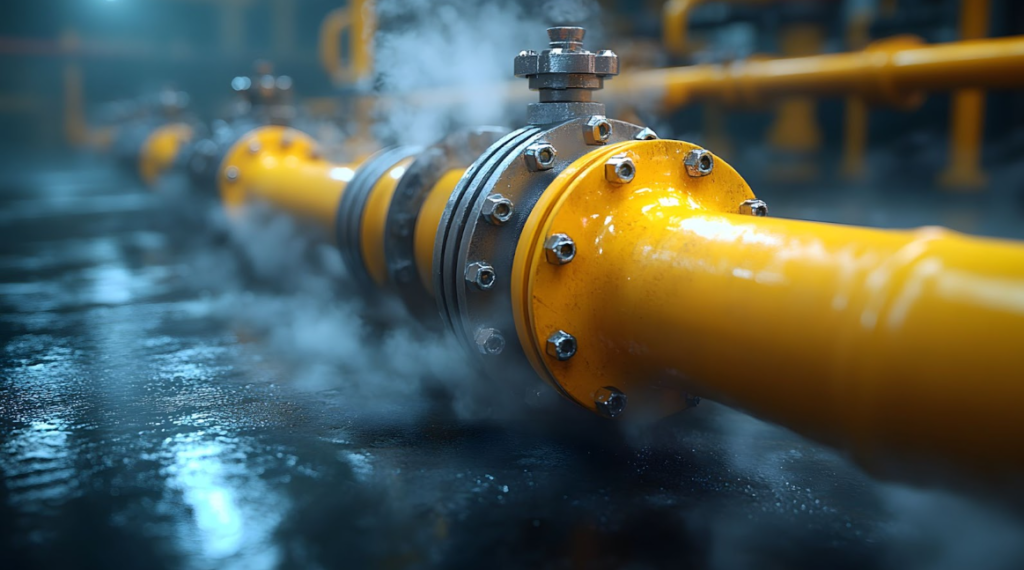
Local Law 152 (LL152) is a New York City regulation focused on gas piping safety. It requires periodic inspections of exposed gas piping systems in most buildings in the city. Building owners must understand what those requirements are, when the deadlines arrive, and how to ensure compliance. This guide breaks down what you need to […]