Managing an older commercial property comes with a unique set of challenges. One of the most urgent is keeping your HVAC system compliant with evolving regulations. Codes and standards around energy efficiency, indoor air quality, emissions, and equipment performance are tightening. Older systems often lag behind these expectations. Ignoring this gap can lead to fines, safety risks, and costly emergency repairs.
This article breaks down what property owners and facility managers need to know now about HVAC regulations in older buildings. You will get actionable insights and a clear path to making the right decisions for compliance, performance, and long-term savings.
Why HVAC Compliance Matters
Compliance isn’t a bureaucratic hoop to jump through. It directly affects occupant safety, energy costs, and your building’s long-term value. Regulatory agencies are focusing more on energy performance and carbon output. Buildings with outdated HVAC systems are more likely to fail inspections, face penalties, or miss out on efficiency incentives.
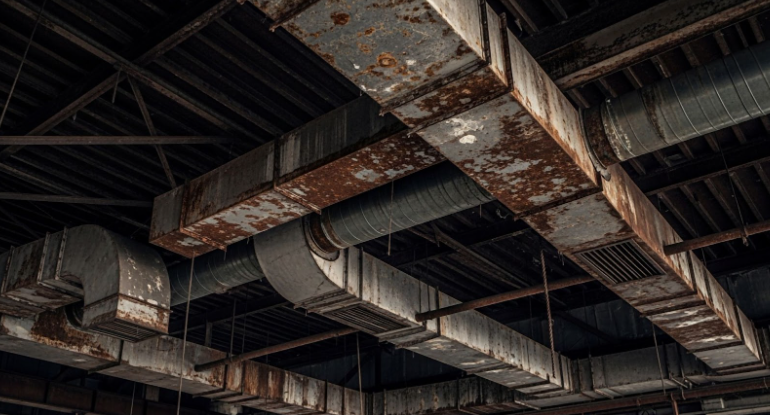
Older buildings often operate systems installed decades ago. These systems may be functional but operate far below modern standards. In today’s regulatory landscape, running outdated equipment can put you on the wrong side of codes and rising utility expenses.
Common HVAC Regulations Affecting Older Buildings
Energy Efficiency Standards
Energy codes are stricter than ever. Building energy performance standards require improvements in efficiency and reduced energy use intensity (EUI). Older systems tend to have lower SEER (Seasonal Energy Efficiency Ratio) and AFUE (Annual Fuel Utilization Efficiency) ratings. Upgrading to modern systems can reduce energy use and help meet or exceed current mandates.
Indoor Air Quality and Ventilation
Indoor air quality (IAQ) regulations have tightened with a stronger focus on occupant health. Proper ventilation, filtration, and circulation are now key compliance points. Buildings with outdated ductwork and filtration lack the ability to control particulate levels or respond to air quality events.
Emissions and Environmental Codes
Local and national regulations aim to reduce greenhouse gas emissions and phase out high global warming potential refrigerants. This affects older HVAC units that use outdated refrigerants and emit higher levels of pollutants. Compliance often requires refrigerant upgrades or full system replacement.
Safety and Inspection Requirements
Older equipment is more prone to wear and safety issues. Regular inspections are required by code in many jurisdictions. Non-compliance can trigger fines and jeopardize insurance coverage. Systems must meet standards for combustion safety, carbon monoxide control, and electrical integrity.
Why Older Buildings Struggle with Compliance
Older buildings were designed for a different era. Systems were installed based on the building codes and energy expectations of their time. These systems often:
- Lack modern control systems
- Use outdated refrigerants
- Have inefficient ductwork
- Feature limited ventilation adjustments
- Rely on obsolete parts
In addition, integrating new HVAC components into historic structures presents unique challenges. Structural constraints, architectural preservation requirements, and limited space for new equipment can slow progress or increase costs.
Key Steps Property Owners Must Take Now
Here is a practical guide to updating HVAC systems with compliance in mind.
1. Conduct a Full HVAC Assessment
Start with a complete system audit. Have a qualified HVAC engineer assess system age, efficiency, and compliance gaps. This baseline report should include:
- Equipment age and condition
- Refrigerant type and compliance
- Control systems and automation capability
- Ductwork performance
- Ventilation and filtration effectiveness
This assessment guides the retrofit or replacement plan you need to prioritize.
2. Develop a Compliance Roadmap
Once you understand where your system stands, create a roadmap. This should include:
- Immediate fixes for safety or non-compliance hazards
- Mid-term upgrades to improve efficiency and IAQ
- Long-term replacement strategies aligned with code deadlines
Decision-makers benefit from a clear timeline, cost estimate, and impact analysis for each action.
3. Prioritize High-Impact Fixes
Not all upgrades are equal. Address the biggest risks first to protect occupants and limit regulatory exposure. This can include:
- Replacing outdated refrigerants
- Upgrading to high-efficiency HVAC equipment
- Improving filtration to meet IAQ standards
- Enhancing building controls for better performance tracking
These changes create measurable improvements in both compliance and operating cost.
Options for Retrofitting Older Buildings
Retrofitting means updating specific parts of an HVAC system without replacing the entire unit. It can be a cost-effective way to improve performance and compliance.
Control System Upgrades
Modern building automation systems (BAS) provide real-time monitoring of temperature, airflow, and energy use. A BAS improves compliance with ventilation and IAQ standards while reducing energy consumption.
Ductwork and Distribution Improvements
Duct modifications help eliminate air leakage, improve balance, and increase effective airflow. Enhanced distribution supports better temperature control and occupant comfort.
Equipment Add-ons
Adding variable-frequency drives (VFDs) to motors increases efficiency and control. Advanced sensors for air quality and humidity give building owners real-time data and automatic adjustments to meet standards.
These retrofits extend the useful life of existing assets and often cost less than full replacements.
Planning Full System Replacement
In many older buildings, full HVAC replacement is the most cost-effective path over time. New systems offer:
- Better energy efficiency
- Lower maintenance costs
- Improved IAQ capabilities
- Compliance with current codes
- Enhanced occupant comfort
A modern system integrates smart controls, high-efficiency equipment, and sustainable refrigerants. Replacement also allows an opportunity to rethink space usage, duct distribution, and zoning that supports more precise climate control.
Accepting the Cost of Doing Nothing
Avoiding HVAC upgrades comes with significant risks:
- Regulatory fines
- Failed inspections
- Higher repair costs
- Rising energy bills
- Risks to occupant health and comfort
The longer you wait, the more expensive and disruptive compliance will become. Early action lets you plan around tenant schedules, budget strategically, and avoid emergency fixes that hurt both finances and reputation.
Incentives and Financing Options
Various incentives exist to support HVAC upgrades:
- Energy efficiency rebates from utilities
- Tax credits for sustainable equipment
- Government incentive programs for reduced emissions
It’s worth exploring these opportunities early. They can offset upfront costs and accelerate ROI. Professional HVAC partners know how to optimize systems to meet both regulatory and incentive requirements.
How Henick Lane Helps Property Owners Make Smart HVAC Decisions
Henick Lane offers experienced guidance through every stage of HVAC compliance and performance improvement.
We help with:
- Comprehensive HVAC system assessments
- Compliance planning and prioritization
- Equipment selection and installation
- Retrofits that improve efficiency and IAQ
- Full system replacements that align with regulations
- Ongoing service, preventive maintenance, and performance tracking
Our experience in the New York market gives us insight into local codes and building challenges. We work with property managers and owners to design solutions that protect occupants, add value, and meet regulatory expectations.
Regulations around HVAC systems are tightening for good reasons. They protect occupants, improve efficiency, and reduce environmental impact. Older buildings can comply with these standards, but only with intentional planning and timely action.
Property owners and managers need to act now to assess risks, plan upgrades, and invest in systems that deliver long-term performance.
Henick Lane stands ready to help every step of the way. Contact us to begin your HVAC compliance journey and ensure your building is ready for today’s regulatory expectations and tomorrow’s environmental goals.