
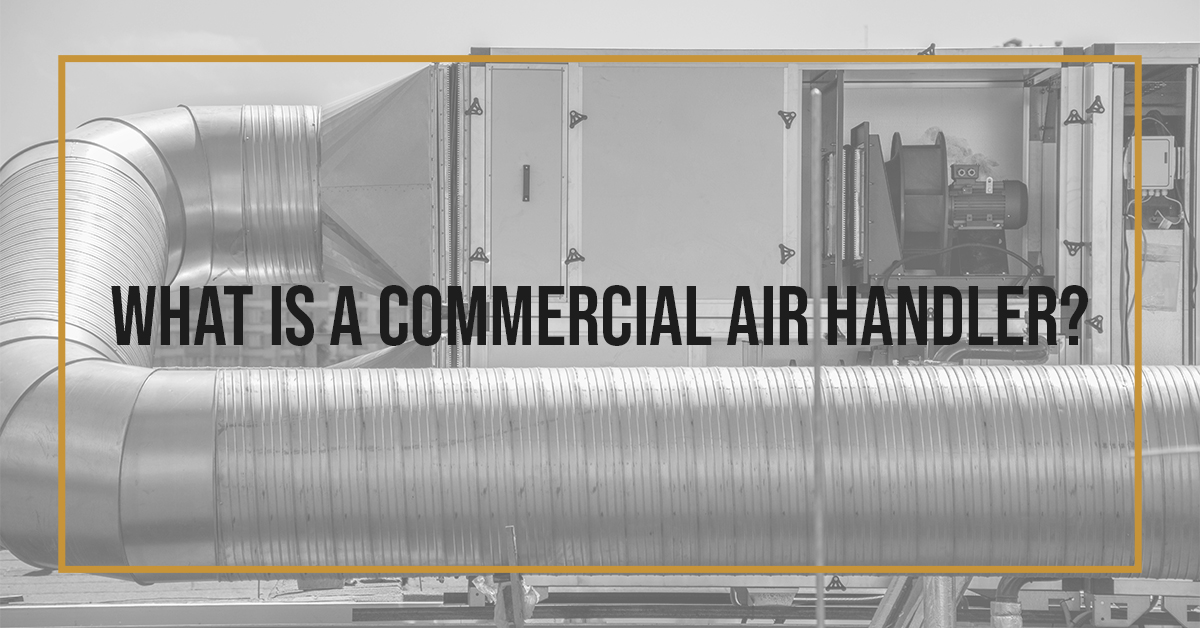
A commercial air handler unit plays a critical role in maintaining comfort, indoor air quality, and airflow throughout a building. Often compared to the respiratory system of a structure, an air handler unit commercial system draws in fresh outside air, circulates it through the building, and exhausts stale air. In doing so, it ensures that conditioned air—whether heated or cooled—reaches the spaces that need it most, including offices, restrooms, conference rooms, and common areas.
In commercial settings, an air handler is essential for maintaining consistent airflow across large square footage. While the term air handler commercial is often used broadly, these systems are specifically designed to meet the demands of high-rise buildings, Class A office spaces, healthcare facilities, retail environments, and industrial properties.
Because commercial air handler units can resemble furnaces or other HVAC equipment, it’s understandable that there is confusion about what they do and how they function. Let’s break down the fundamentals.
What Is the Difference Between an Air Handler and an Air Conditioner?
An air handler does not create hot or cold air—it simply moves and manages it.
A commercial air handler functions much like lungs, continuously circulating air throughout a building. It pulls in outside air, mixes it with return air, filters it, and distributes it through ductwork. This ongoing exchange prevents indoor air from becoming stagnant and helps maintain acceptable indoor air quality standards.
Air conditioners, heat pumps, and furnaces are responsible for producing heated or cooled air. The air handler unit commercial system then distributes that conditioned air efficiently throughout the building.
In short:
- Air handler → moves and manages air
- Air conditioner / furnace / heat pump → heats or cools air
Both are essential, but they serve very different roles within a commercial HVAC system.
How Do Commercial Air Handlers Work?
A commercial air handler unit draws outside air into the system and routes it across heating or cooling equipment—such as a furnace, chiller coil, or DX coil—to condition the air. Once treated, the air is supplied to the building via a network of ducts.
At the same time, return ducts pull used air back to the air handler commercial system, where it is either exhausted or mixed with fresh air and reconditioned. This continuous cycle ensures:
- Proper ventilation
- Consistent airflow
- Improved indoor air quality
This process is especially critical in large commercial buildings where occupant density, equipment heat loads, and regulatory air quality requirements must all be carefully managed.
Do Air Handlers Use Refrigerant?
In many commercial systems, yes.
A commercial air handler typically includes:
- A blower (fan)
- Controls
- Filters
- An evaporator or chilled-water coil
In a split system configuration, the air handler unit commercial works in conjunction with an outdoor condenser or heat pump. Refrigerant lines connect the two systems, allowing the air handler to distribute cooled air produced by the outdoor unit.
Not all air handlers use refrigerant directly—some rely on chilled water supplied by a central chiller—but both configurations are common in commercial HVAC design.
What Is the Life Expectancy of a Commercial Air Handler?
The average lifespan of a commercial air handler unit is typically 10 to 20 years, depending on:
- System design and capacity
- Operating conditions
- Frequency of use
- Quality of maintenance
Routine service is essential. For example, a leaking condensate pan can indicate drainage issues caused by algae, mold, or debris buildup. Left unaddressed, these problems can lead to water damage, reduced efficiency, or premature system failure.
Proactive maintenance helps extend the life of your air handler, improves energy efficiency, and reduces the risk of unexpected downtime.
Why Commercial Air Handlers Matter
A properly designed and maintained air handler commercial system ensures:
- Even temperature distribution
- Proper ventilation and filtration
- Compliance with indoor air quality standards
- Long-term system reliability
In large commercial buildings, the air handler is often the backbone of the HVAC system—supporting occupant comfort, productivity, and operational efficiency.
Henick-Lane Can Handle All of Your Commercial HVAC Needs
With more than five decades of experience, Henick-Lane is a trusted provider of commercial air handler unit design, installation, service, and maintenance throughout the NYC metro area. From high-rise office buildings to complex commercial facilities, our team delivers practical, efficient, and reliable HVAC solutions.
Whether you’re planning a new air handler unit commercial installation, upgrading an existing system, or need expert service and maintenance, contact Henick-Lane today to keep your building operating at peak performance.