
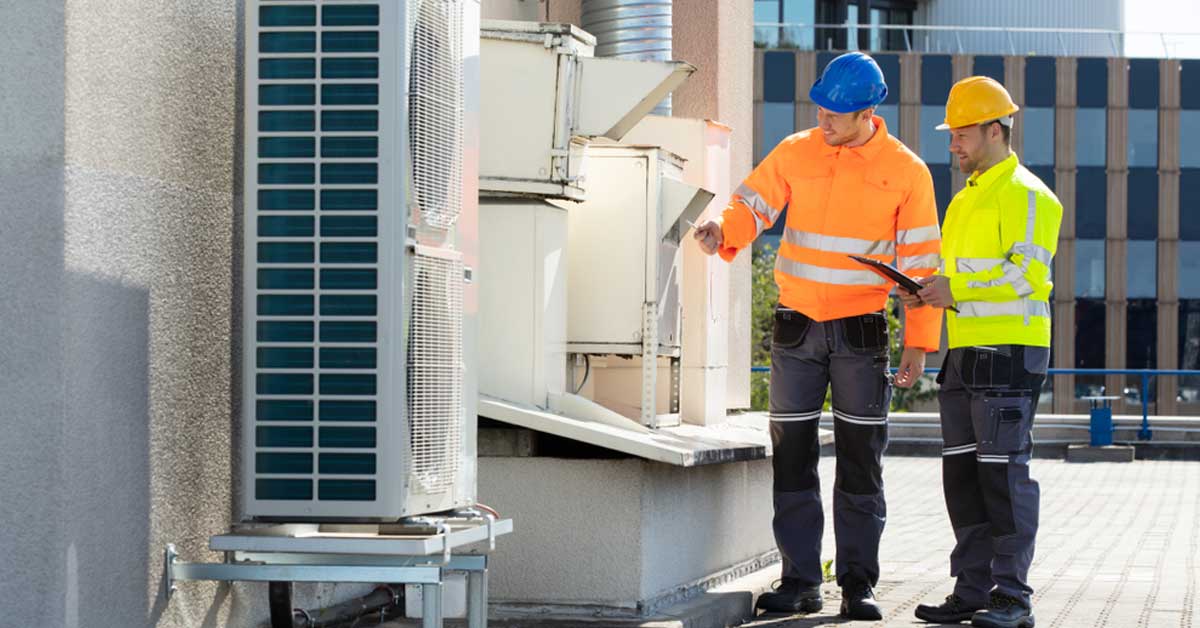
Living in NYC means experiencing all four seasons at their most intense. From sweltering summer heat waves to freezing winter storms, the city’s extreme weather can take a serious toll on your home’s heating and cooling equipment. Over time, these seasonal shifts impact efficiency, reliability, and the overall lifespan of the system. Understanding how the weather impacts performance can help homeowners stay proactive and avoid unexpected breakdowns.
Summer Heat Waves Push Systems to the Limit
NYC summers are known for high humidity and temperatures that climb well into the 90s. During these months, air conditioning systems often run for extended periods without much downtime. This constant demand can strain compressors, overwork fans, and clog air filters more quickly than usual.
When an HVAC unit operates continuously, even minor issues like low refrigerant levels or dirty coils can escalate into larger mechanical failures. Homeowners often find themselves in urgent need of an HVAC system repair service during peak summer because systems are simply overworked. Preventive maintenance before the hottest months can significantly reduce the risk of mid-season breakdowns.
Humidity also plays a key role. Excess moisture in the air forces your system to work harder to maintain comfortable indoor conditions, which can impact both comfort and energy efficiency.
Winter Freezing Temperatures Create Different Challenges
When winter arrives, NYC brings freezing temperatures, snow accumulation, and icy winds. Heating systems must work harder to maintain consistent warmth indoors. Furnaces and heat pumps experience added strain, especially in older buildings where insulation may not be optimal.
Outdoor HVAC components can also be affected by snow and ice buildup. Blocked vents, frozen coils, and restricted airflow can all reduce performance. If left unchecked, these issues may lead to emergency calls for HVAC system repair service in the middle of winter.
Frequent cycling, when a system turns on and off repeatedly, can also occur during extreme cold. This not only reduces efficiency but also accelerates wear and tear on internal components.
Seasonal Transitions and Air Quality Concerns
Spring and fall may seem milder, but they introduce their own set of challenges. Pollen, dust, and debris can clog filters and ductwork, reducing airflow and lowering indoor air quality. Sudden temperature swings during transitional months can also cause systems to alternate between heating and cooling modes, creating additional strain.
Working with reliable HVAC companies ensures seasonal inspections are completed on time. Regular tune-ups allow technicians to identify worn parts, clean essential components, and make small adjustments before they turn into costly repairs.
Year-round performance in NYC requires preparation, timely maintenance, and professional support. Extreme weather is unavoidable, but system failure doesn’t have to be. For dependable service and expert guidance tailored to the city’s unique climate demands, trust the professionals at Henick-Lane and reach out to them through (718) 786-7277.
FAQ:
How does NYC’s extreme summer heat affect HVAC performance?
NYC summers bring high temperatures and humidity that force HVAC systems to work harder and longer. This strain can reduce efficiency, increase energy bills, and accelerate wear on components like compressors and condensers, especially in older city buildings.
Why is humidity in NYC a problem for HVAC systems?
High humidity levels in NYC make cooling systems run longer cycles to remove excess moisture. Without proper maintenance, this can lead to clogged coils, reduced airflow, and uneven cooling throughout commercial or residential spaces.
Can NYC winters damage HVAC equipment?
Yes. Freezing temperatures can affect outdoor units, refrigerant lines, and rooftop systems. Snow and ice buildup may restrict airflow or cause mechanical stress, making proper winter preparation essential for reliable performance.
How do rapid temperature changes impact HVAC systems in NYC?
Sudden shifts from warm to cold weather place stress on HVAC systems as they switch between heating and cooling modes. These fluctuations can increase wear on thermostats, heat pumps, and internal components.
Does NYC air pollution affect HVAC efficiency?
Urban pollution and debris can clog air filters and coat coils, reducing airflow and efficiency. Regular filter changes and system inspections are important to maintain indoor air quality and consistent performance.
How does heavy rainfall impact rooftop HVAC units?
NYC storms can expose rooftop HVAC systems to excess moisture and debris. Poor drainage may lead to water damage, corrosion, or electrical issues if units are not properly sealed and maintained.
Why do HVAC systems use more energy during extreme weather in NYC?
Extreme heat and cold force HVAC systems to operate longer to maintain indoor comfort. This increased runtime raises energy consumption and utility costs while accelerating equipment wear.
Can salt air in certain NYC areas affect HVAC systems?
In coastal parts of NYC, salt air can corrode metal components and coils. Over time, corrosion reduces efficiency and shortens system lifespan without protective coatings or regular servicing.
How often should HVAC systems be serviced in NYC’s climate?
Given NYC’s seasonal extremes, HVAC systems should be inspected at least twice a year—before summer and winter. Preventive maintenance helps identify weather-related wear and ensures year-round reliability.
How can property owners protect HVAC systems from NYC weather conditions?
Routine maintenance, weatherproofing rooftop units, upgrading insulation, and installing programmable controls can help reduce strain. Professional servicing ensures HVAC systems stay efficient despite NYC’s challenging climate conditions.
Commercial HVAC Project? Fill out your information below and we’ll be in touch!